
Choosing the right workout style can be confusing, especially with so many fitness options available. Functional training and traditional gym workouts both have benefits, but they serve different purposes. Understanding how they differ can help you choose a training approach that fits your goals and lifestyle.
How Traditional Gym Workouts Work
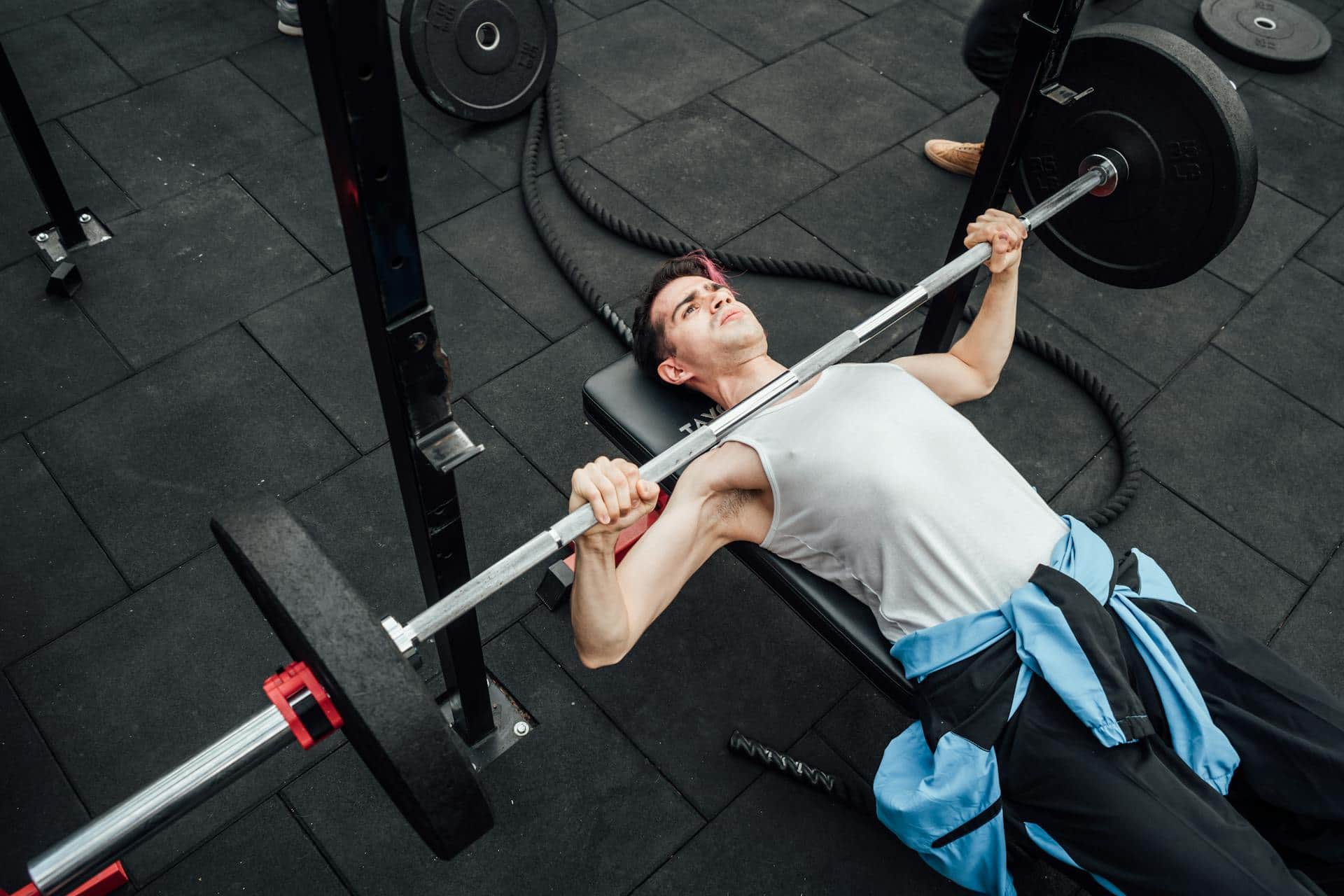
Traditional gym workouts usually focus on isolating specific muscles using machines or fixed movements. Exercises like leg extensions, chest presses, and bicep curls target one muscle group at a time. This style is often used for muscle building, aesthetics, or rehabilitation where controlled motion is required.
What Makes Functional Training Different
Functional training emphasizes natural, multi-joint movements such as squatting, lifting, pushing, pulling, and rotating. These exercises train the body to work as a single unit rather than separate parts. The goal is to improve balance, coordination, strength, and mobility that translate directly into everyday activities.
Performance and Daily Movement Benefits
Traditional workouts can improve muscle size and strength, but they may not always prepare the body for real-life movement. Functional training improves stability, posture, and movement efficiency, making daily tasks easier and reducing the risk of injury. It trains the body for how it is actually used outside the gym.
Which Training Style Is Right for You?
The right choice depends on your goals. If your focus is muscle isolation or controlled strength building, traditional workouts may suit you. If you want better movement, overall strength, and long-term fitness, functional training offers a more practical approach. Many people benefit from combining elements of both styles.
Finding Balance in Your Training
Functional training and traditional workouts don’t have to compete. When used together thoughtfully, they can support strength, performance, and durability. The key is understanding how each style contributes to your overall fitness journey.
This was a really helpful breakdown. I’ve been doing traditional gym workouts for years and never realized why daily movements still felt difficult. The comparison made functional training much clearer and easier to understand.