
Introduction
South Indian cuisine is more than just food—it’s a celebration of heritage, flavor, and tradition. Rooted in centuries-old recipes, each dish carries a story of culture, community, and time-honored cooking techniques. From fragrant spice blends to banana leaf dining, the secrets of authentic South Indian cooking are waiting to be discovered.
Ancient Ingredients
The magic begins with ingredients that have stood the test of time. Mustard seeds, curry leaves, tamarind, coconut, and a variety of lentils form the backbone of traditional recipes. These ingredients are not only flavorful but also packed with nutrition, making South Indian cuisine both wholesome and delicious.
Stone-Ground Magic
Many South Indian households still rely on stone grinders to crush spices and lentils. This traditional method releases oils and aromas that modern machines can’t replicate. The result is a deeper, richer flavor that defines authentic dishes like sambar, rasam, and dosa batter.
Fermentation Techniques
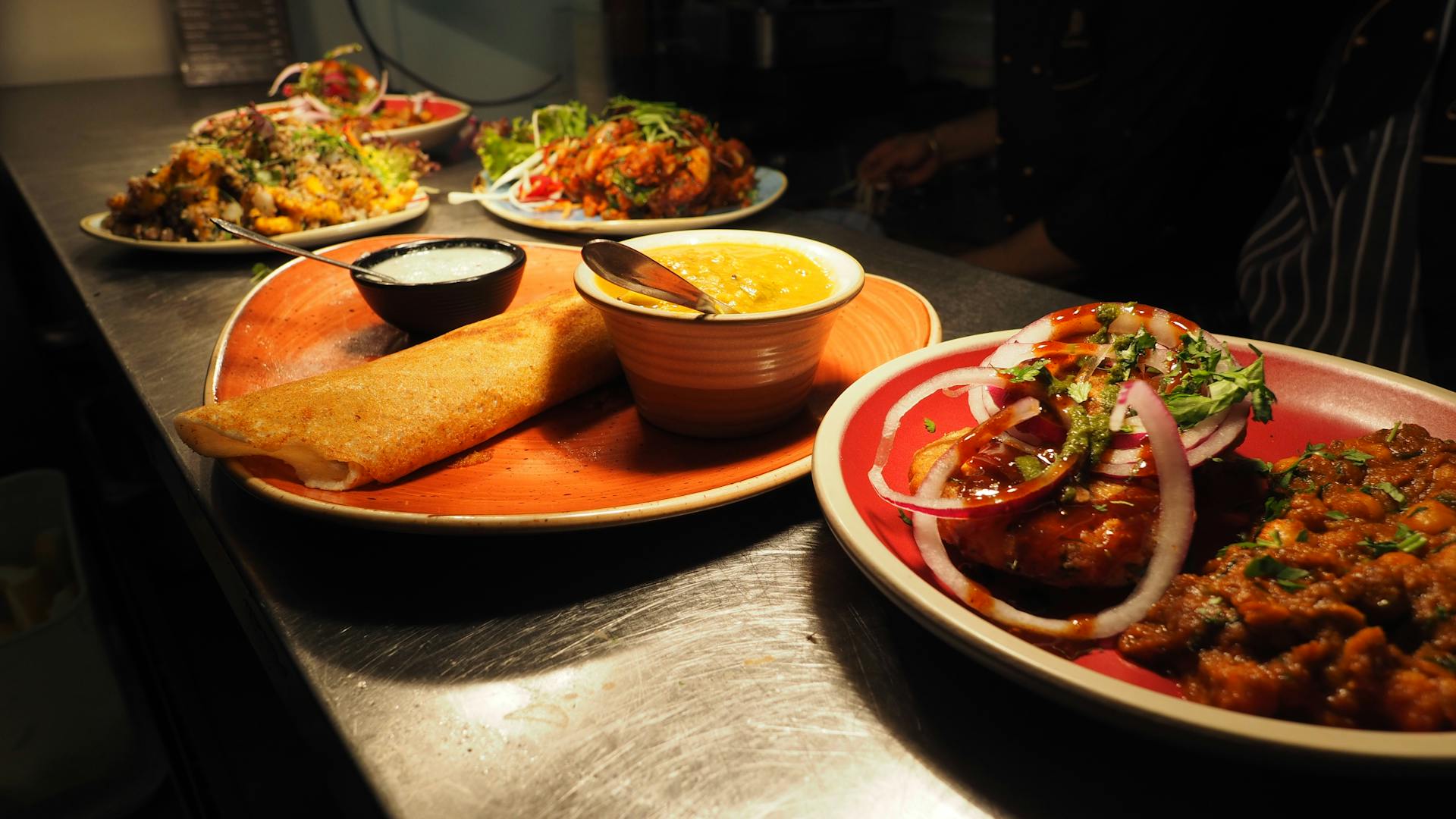
Fermentation is a cornerstone of South Indian cooking. Batters for dosas, idlis, and appams rely on naturally fermented mixtures of rice and lentils. This process enhances flavor, improves digestibility, and creates the perfect texture—soft, airy idlis or crisp, golden dosas.
Banana Leaf Dining
Serving meals on banana leaves is not just tradition—it’s an experience that elevates flavor. The subtle aroma of the leaf enhances taste, while the presentation reflects cultural authenticity. Eating on a banana leaf is a sensory journey that connects diners to the roots of South Indian heritage.
Conclusion
The secrets of traditional South Indian cooking lie in authentic ingredients, time-tested methods, and cultural rituals. By understanding and embracing these practices, anyone can enjoy the rich, bold, and timeless flavors of the South—just as Heritage Kitchen has been doing for generations.
Very Nice Secrets