
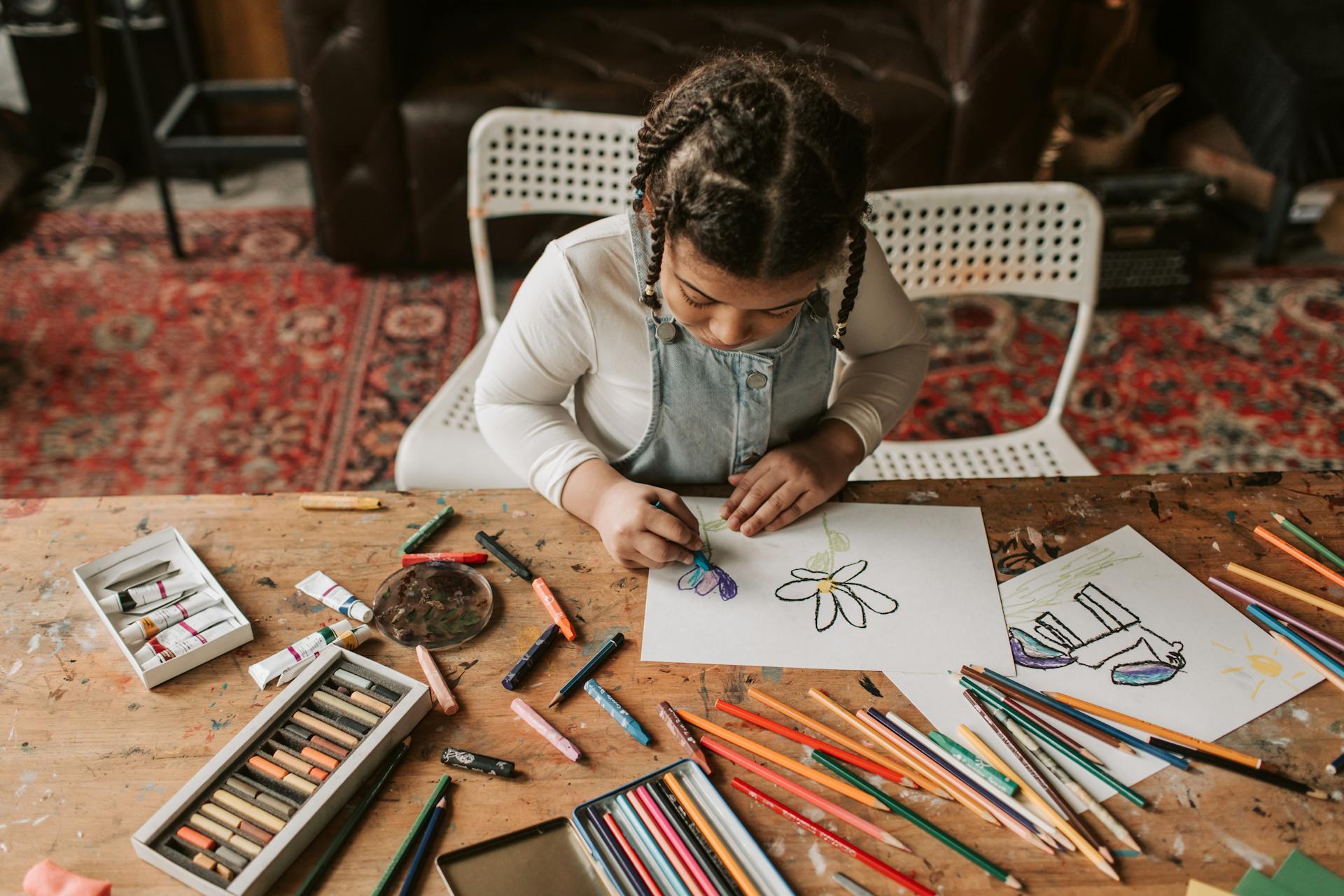
Creative play is where imagination comes alive. When children draw, build, pretend, and invent, they’re not just having fun—they’re discovering who they are and what they can do. Creative play plays a powerful role in building confidence, helping children feel capable, expressive, and proud of their ideas.
What Is Creative Play?
Creative play allows children to explore ideas freely without strict rules or outcomes. It includes activities like drawing, storytelling, building with blocks, role-playing, and crafting. There’s no “right” or “wrong” way to play—only exploration and expression.
This freedom gives children ownership over their play, helping them trust their instincts and ideas.
How Creativity Encourages Self-Expression
Creative play gives children a safe space to express thoughts and emotions they may not yet have words for. Through pretend play or art, children communicate feelings, experiences, and ideas in ways that feel natural to them.
When children see their ideas take shape—whether it’s a drawing or an imagined story—it boosts their sense of achievement and self-worth.
Building Confidence Through Decision-Making
During creative play, children make choices constantly: what to build, how to draw, which role to play. These small decisions help children develop independence and confidence in their judgment.
Every completed creation, no matter how simple, reinforces the belief that “I can do this,” which carries over into learning and everyday challenges.
Learning From Mistakes and Trying Again
Creative play encourages experimentation. If something doesn’t work, children learn to adjust and try again. This process builds resilience and teaches children that mistakes are part of learning, not something to fear.
Over time, this mindset helps children face new challenges with curiosity instead of hesitation.
Supporting Confidence Through Playful Environments
When children are given supportive environments with open-ended toys and encouragement, they feel safe to explore and take creative risks. Praise effort rather than outcomes, and allow children to guide their own play.
Creative play nurtures confidence that grows naturally—one imaginative moment at a time.
0 Comments