
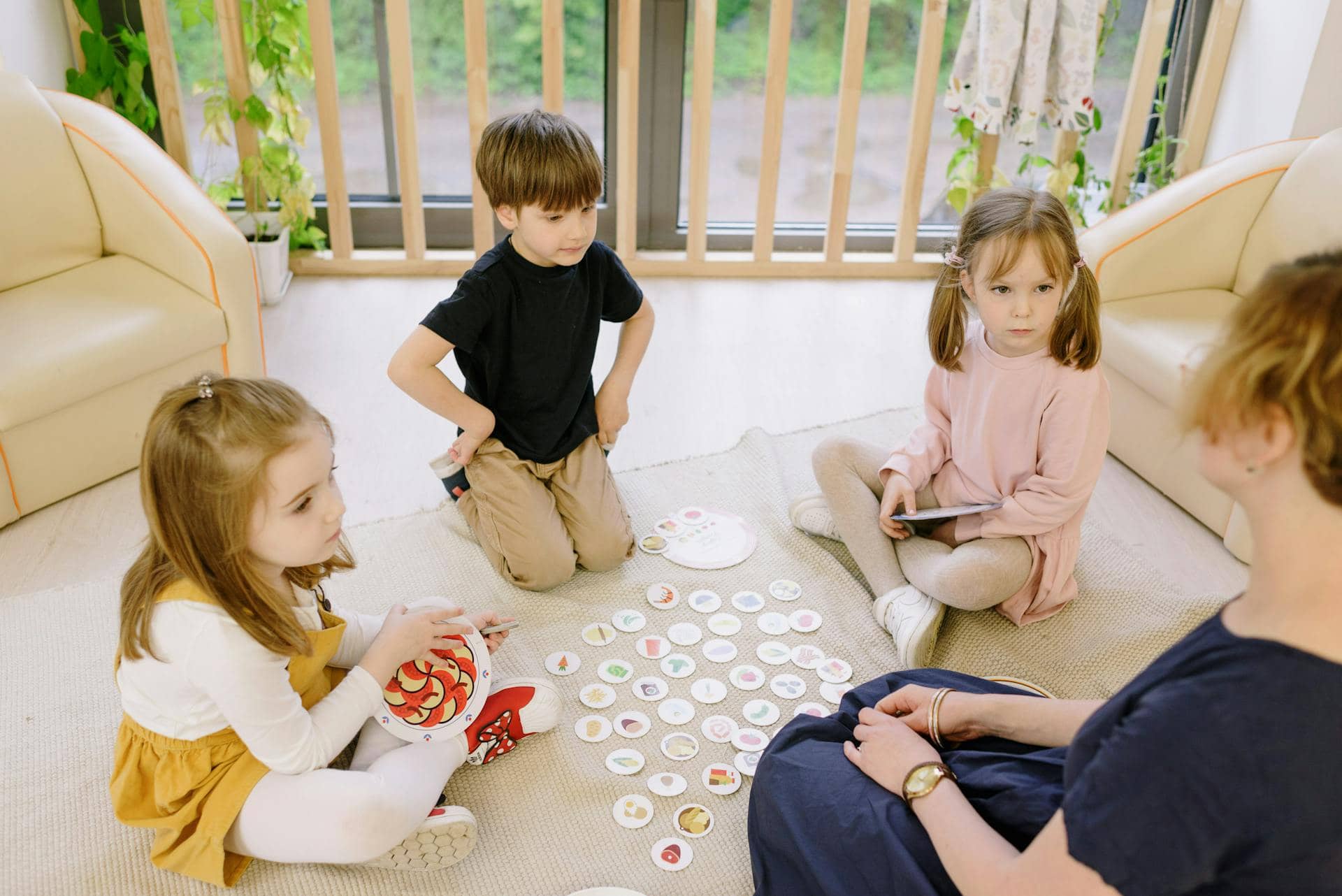
Play is more than fun—it’s how young brains grow, connect, and learn about the world. From stacking blocks to pretending to cook a meal, the toys children play with during their early years play a powerful role in shaping brain development. Let’s explore how thoughtful play builds strong foundations for learning, creativity, and emotional growth.
What Happens in a Child’s Brain During Play
In the early years, a child’s brain develops rapidly, forming millions of neural connections every second. Play helps strengthen these connections. When children explore toys, solve simple problems, or imagine stories, their brains practice thinking, remembering, and understanding cause and effect.
Toys that encourage hands-on interaction—like puzzles, blocks, or sorting games—activate multiple areas of the brain at once, supporting cognitive growth and coordination.
Learning Through Sensory and Motor Play
Toys that engage the senses help children understand the world around them. Touching different textures, hearing sounds, and seeing bright colors stimulate sensory pathways in the brain. Activities like stacking, grasping, or fitting pieces together improve fine motor skills and hand-eye coordination.
These early movements and sensory experiences prepare children for everyday skills such as writing, reading, and problem-solving later in life.
Building Thinking and Problem-Solving Skills
Simple toys often provide the biggest learning opportunities. When a child figures out how to complete a puzzle or build a structure that doesn’t fall, they’re learning persistence, focus, and logical thinking.
Open-ended toys—those with no single “right” way to play—encourage experimentation and creativity. Children learn to try, adjust, and try again, which strengthens both confidence and brain flexibility.
Supporting Emotional and Social Development
Toys also play a key role in emotional growth. Pretend play toys allow children to explore feelings, roles, and social situations in a safe environment. Acting out stories helps children understand empathy, communication, and self-expression.
Through play, children learn to manage frustration, celebrate small successes, and build resilience—important skills that support lifelong mental and emotional well-being.
Choosing Toys That Truly Support Growth
Not all toys need to be flashy or high-tech to be effective. The most brain-friendly toys are often simple, age-appropriate, and encourage active participation rather than passive watching.
When choosing toys, look for those that:
- Encourage creativity and imagination
- Grow with your child’s abilities
- Support hands-on learning
- Invite curiosity and exploration
At FunSprout, we believe the right toys don’t just entertain—they help little minds grow every day.
0 Comments